Those tricky automatic doors!…and a social story

Going out shopping with a child with ASD is one of the most stressful task to do. For some children with ASD going through the door of the shop can be really daunting with automatic doors. The unpredictability when it will open or close can cause fear and anxiety. Some shops even have two automatic doors before you can get in which is even worse. It adds to the pressure of remembering the routines which he does ever since he first entered the shop.

Our son would usually wait for the automatic door to close first then wait for it to open again before getting in or out the door. It becomes impossible when it’s really busy. We’ll have to stand outside until it’s clear to pass. Shopping starts and ends in tears most times when he was still non-verbal. Figuring out what was wrong and what routine is missed.

After moving house we used to shop in the nearest Lidl. It was about 12 minute walk which took me longer with all his routines and other things that set him off like the buttons in the pedestrian crossing. After going to Lidl a few times by walk, surviving all the tantrums, one day I thought I got it all right. Made it through the till without any tears. Until we exited through the opened automatic door. We stood outside for an hour. He was screaming, crying and rolling on the floor. He refused to step on his buggy board, shouting ‘again’. Again means I had to go back to the shop and do everything all over again.

Standing my ground I had to say ‘No’ and wait until he calms down. Unfortunately, I have forgotten my phone at home that I can’t call my husband for help. An older couple offered to drop us home. I had to refuse. He won’t even go on his buggy board, there’s no way he’ll get on anybody’s car, not even a taxi. Until a man approached me and ask what’s wrong. I said he has autism. He offered to give us a lift. I refused and explained. He said it’s been long since he was crying and how long more do I have to wait. He offered to atleast walk me home maybe he’ll stop. I accepted.  He carried him in his arms. Trying to think quick on my next move, I saw the pedestrian crossing. He always wanted to press those buttons but it’s not on the direction going home. I thanked the man for walking us, assuring him we’ll be fine. Since we are away from the Lidl exit, I distracted my son from his tantrum and asked him if he wanted to press the button on the crossing. We crossed the road and crossed back again, then finally we came home.

When he learned how to read, I made him a social story to be able to help him with his anxiety on automatic doors. Here it is …
I like going out with my mum. We go to shops or hospitals.

Some buildings or shops have automatic doors. This is ok.

Automatic doors have sensors that opens when somebody is near the door. 

When it’s really busy, sometimes it stays open. This is ok. A lot of people have to go in and out of the shop.

I will keep on walking  with my mum or dad to get in or out of the shop even if it stays open. 

The sensor will know if there’s nobody near the door and then it closes.

The doors closes so that the temperature is maintained in the shop.

It has to stay warm in winter or fall and kept cool during spring or summer.

Sometimes the sensors of the automatic door is off and doors are kept open during warm weather. This is ok.

Fresh air outside the shop can help cool down the temperature inside. 

It is safe to get in or out of the shop even when it’s doors are kept open.

Going through automatic doors to get inside buildings or shops is alright!


This social story was revised many times. I tried to start it with a positive note that he likes to go out with me although I know he would rather stay home. When his speech and vocabulary improved, I was able to add explanations on social stories, like how automatic doors work. I also added more that during warm weather that doors are kept open. This was based on an experience during summer. It went really well when I first made the story. Then one summer day when we went to the city centre, most of the automatic doors are kept open in most shops and shopping centres. He refused to get inside and threw tantrums. I went home empty handed. I wasn’t even able to buy milk and ended up giving him infant milk at home. After analysing that experience, I added more explanation and reassurance in the story. That’s how it is with social stories, it has to evolve according to a child’s need to make it work.
 

Visuals are like charms…They work like magic!

I remember the day our son was diagnosed with Autism. I was like in a dramatic movie scene, only it’s real. A pregnant woman tired and holding back her tears, pushing the pram in the rain. It’s like the sky has joined in with the sadness. Without an umbrella, I just let go of the tears thinking nobody would know the difference of the tears falling down my eyes from the rain running down my face. I came home and I can’t even look at my child. Everything displays Autism. I asked my mother in law to look after him for a while. I needed to go out and clear my head. I  was walking with a friend in a shopping centre. Bumped into my son’s godmother. I told her and cried. Then she said ‘stop mourning, your son isn’t dead’. He doesn’t have cancer or sickness. Hearing it is like having a splash of cold water on my face. It woke me up. It is not a sickness that can be healed but a neurological disorder that can be able to manage and helped…  I went home having a different outlook on life.

Getting a grip of yourself after the diagnosis can be very hard. But if you have a child or children who depend on you there is no pause. You have to get up and get on with life. My husband and I had to shut ourselves for a while from friends and family to deal with it. It’s hard enough to understand autism and it takes more effort to explain it to everyone. It just sucks up all your energy and emotions. Time is of the essence in raising a child with ASD. You have to focus and redirect your family life after the diagnosis.

Being a first time mum and not having any ideas about autism, charities became my lifeline. Eagle Foundation sent me a lot of information and visuals to help me while waiting for a place for an early intervention training in Barnardos. MENCAP children’s centre where our son went to before he got a place in Nursery , have speech therapist , occupational and speech therapist who are there to help during and after the assessment. Middletown Centre for Autism also provides free seminars for parents. I usually sign up and keep my self updated on their website. National Autistic Society also provide a lot of information, support and resources.

It’s amazing to have met a lot of brilliant people who not only do it professionally but genuinely care. They are like angels sent down from heaven.

 Travelling or going out with a child with ASD can be very challenging. If a child has speech delay or non-verbal it can even be more difficult. Fortunately, we were able to attend early intervention trainings, parent support groups and other seminars . We learned the importance of visuals for children with ASD.

Attending seminars and researching about autism can make you feel like having an information overload. It can get both overwhelming and confusing on deciding what to use,when and how to start. Every child is different. One strategy may work with another child and not on yours.

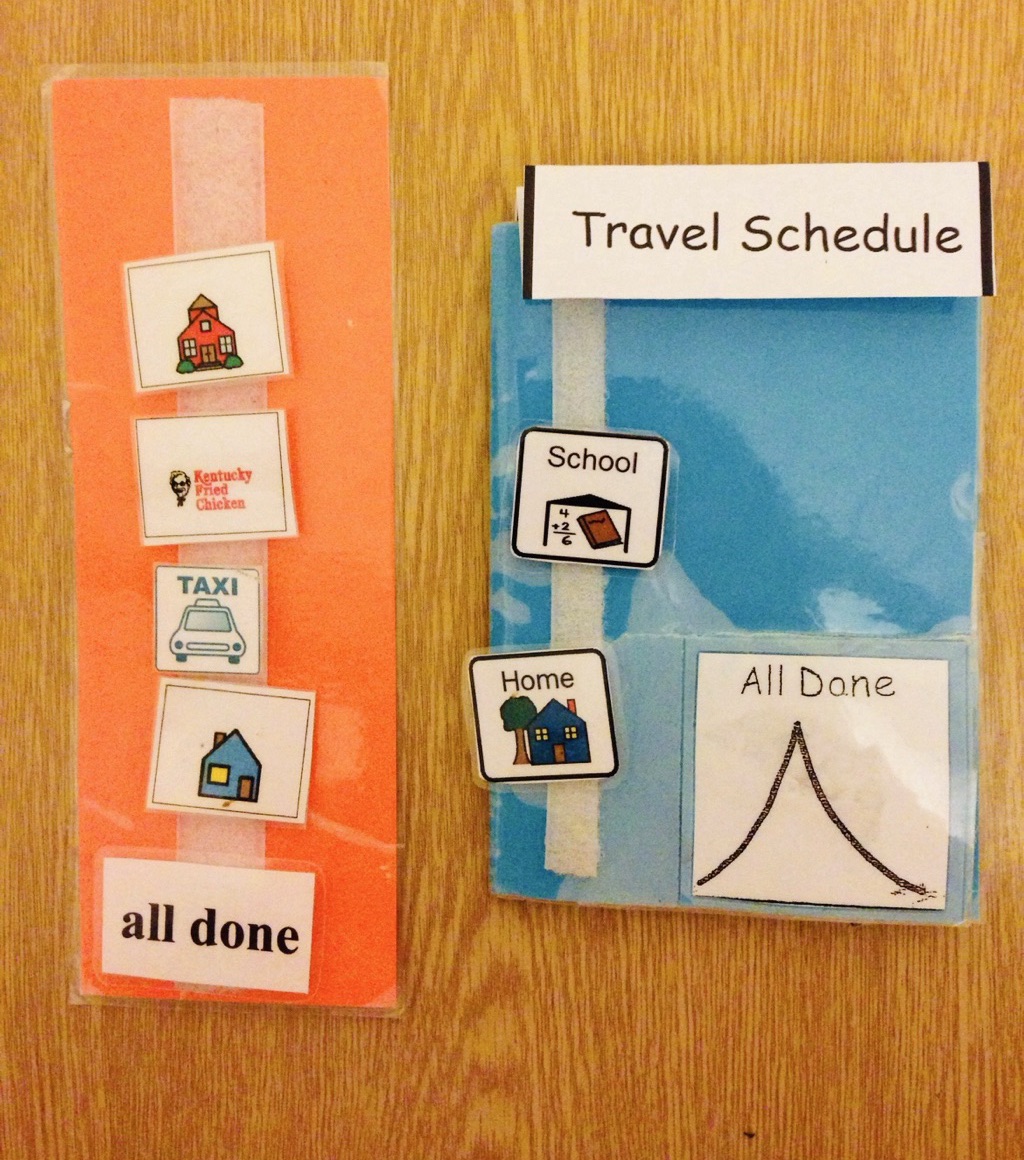
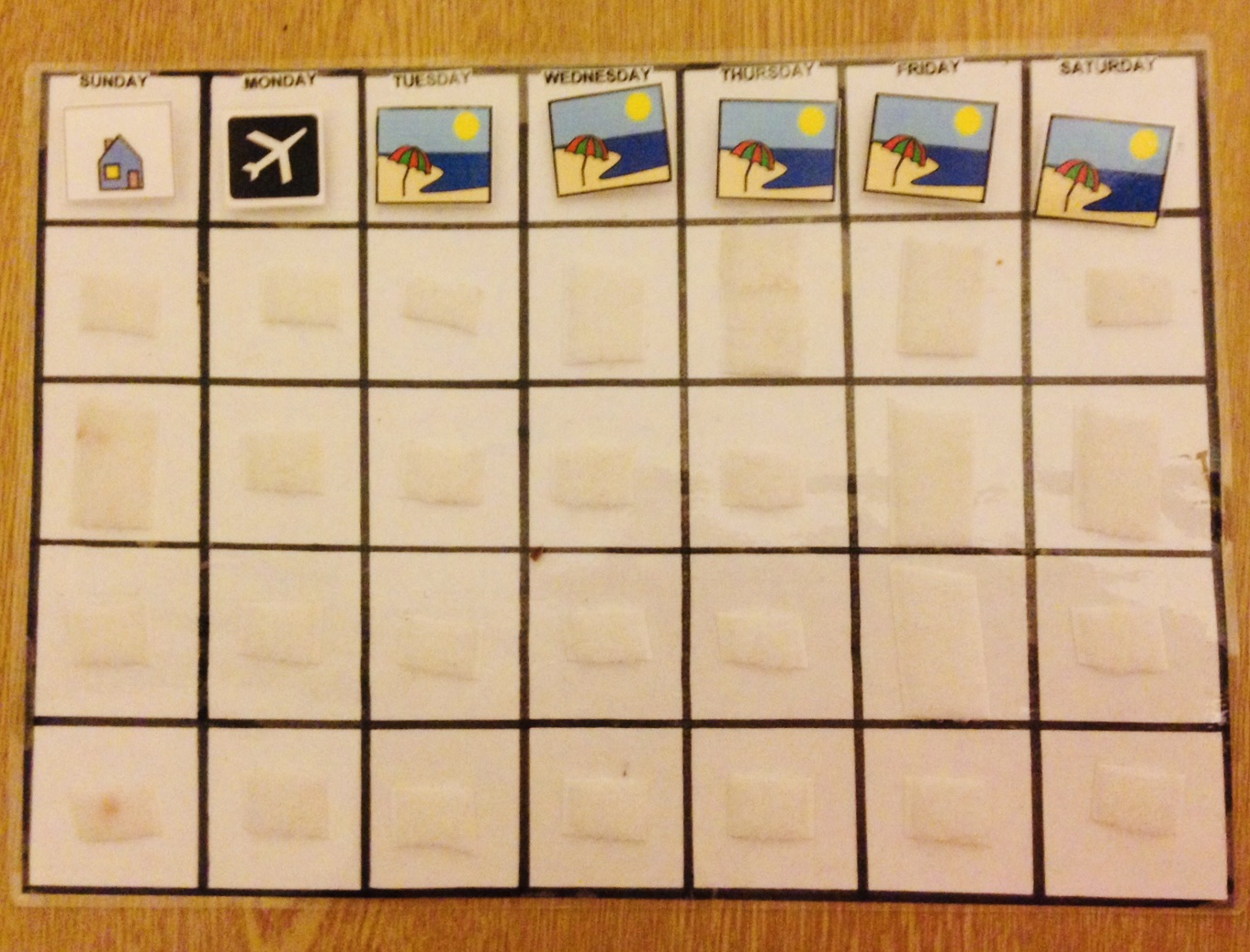
Camera, Laminator and velcros became very essential for us. We had to take pictures of every part of the house, the people involving our son, food, places etc. It’s amazing how visuals like pictures and signs made a lot of difference in our son’s life. It’s like magic. Like his big introduction to the world. He became involve and aware of people and things around him. Showing his own picture with his name on it is like introducing himself to his own self.  He learned to respond on the sound of his name. He can connect name of people’s name and their faces. He called me ‘mummy’ before he turned three. I became a person and not just a hand that provides him everything.

We typed the words on the bottom of picture. The words draws him to learn and speak. With his obsession with the alphabet and numbers, he was able to read first before he can speak. Schedules and picture cards became very important tools for me to be able to take him out. The tantrums were still there. Visuals work like a charm that I can’t go without. It’s just trial and error sometimes. One must not give-up to be able to go out. It does take a lot of patience, practice and effort. You do need to think outside the box sometimes.

When IPAD apps were developed to help people with autism, we didn’t think twice. It is expensive though. You just need to shut your eyes and focus on the pros of having one. I then switched from laminated schedules and picture cards to using apps for travelling in iphone and IPAD. Social Stories became very useful not only to develop their social skills or challenging behaviour but also for travelling. We got the app Stories 2 Learn, and then the more efficient Kids in Story . Choiceworks and Calm Counter were also very useful. Visuals are like charms, they work like magic.


Walking with a ‘scallywag’…

dsc_0835happily standing on his ‘scallywag’ with his dirty and scraped jeans after a meltdown
During our son’s assessment, we had another child. We were blessed with a beautiful baby girl. Although it was very hard few months not knowing about ASD and coming in to terms with his diagnosis. He was diagnosed with ASD at 2 years and 7 months , on the summer of 2010.

It was particularly difficult keeping a full time job and my husband on a week on and week off rota. I was advised by our social worker to apply for a carer’s allowance, It wasn’t enough to pay the private child care which is necessary for his early intervention to build social skills.

He fortunately had a place a few days a week in MENCAP children’s centre which cater for children with special needs. MENCAP provided transport on the days he goes to the children’s centre.

Because of unfortunate circumstance we have to move house away from the child care centre where he goes. Since I don’t drive and my husband is always away, I had a hard time travelling him. It takes 2 buses to get there. Taxis are particularly expensive going back and forth dropping him off and picking him up. He was struggling without a routine. With a basic maternity pay, I couldn’t afford to take a taxi and had to take the bus.

When he was a toddler, it was already difficult to travel him on a pram on a bus. The crying and screaming is too much. During rush hours, it was even harder to get on a bus esp if there are other people with prams and we were refused to get on the bus.

When the baby came, he can’t sit on a pram anymore which was a big change in routine and of course his comfort. A social worker advised me to use a buggy board. The ‘scallywag buggy board‘ was like a heaven’s sent for me. He enjoyed travelling on it. It probably made him in control because he is holding the pram handles. It feels more secure because he won’t be able to run and looks like he felt ‘in control’ of the pram.

Travelling was still very hard. Slightly deaf and numb from embarrassment when he throws major tantrums. The ‘scallywag‘ made it slightly easier for me to keep him calm because he can sit on it’s step when he needs a time out and he doesn’t get tired much.

The following school year he got a place in a nearby mainstream nursery which he doesn’t get a transport. The scallywag came in handy during school runs , shopping and getting out and about with the baby.


Early years travels to Slovakia and Poland before ASD diagnosis


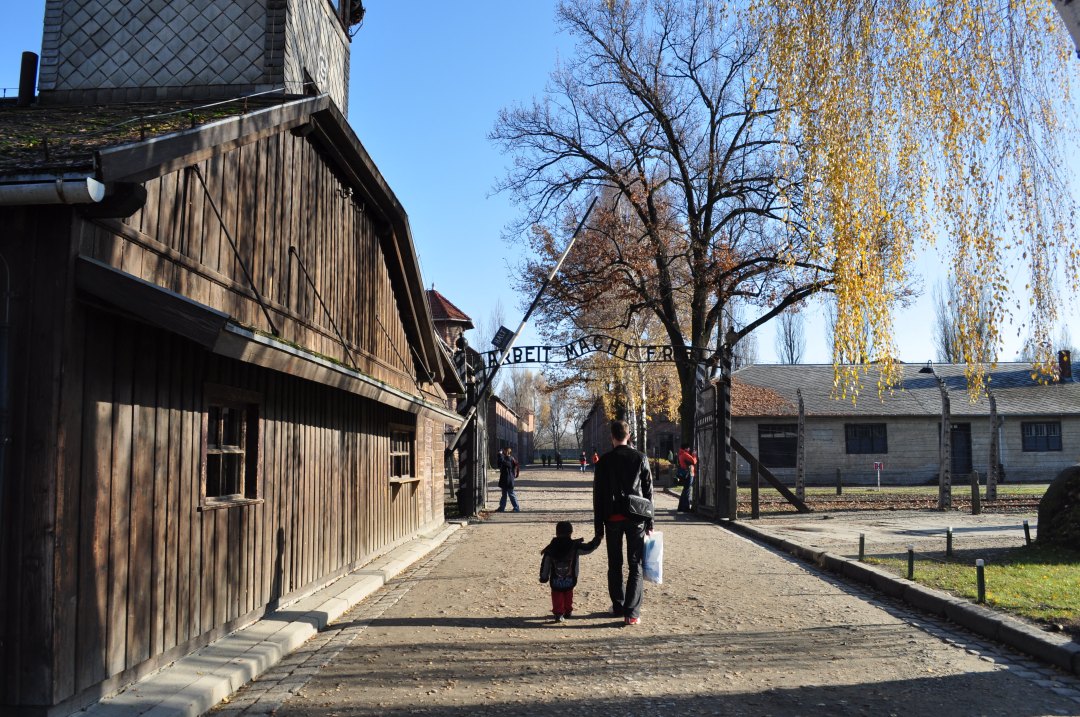
dsc_0620walking in Auschwitz in 2009

After a few days visit to the Health visitor in 2009, we travelled to Slovakia in my husband’s hometown in Kosice. We had to take a flight to Krakow then a long drive to Kosice. During the appointment, he had a brief assessment which includes his speech and his eating habits. He wasn’t talking then and was only eating pureed corn,carrots, and other pureed food. I had to record all his food intakes and the number of words he can speak. This got me really worried because I can’t barely think of any words that he speak which makes sense.

The flight to Krakow and drive to Slovakia went well. It was an early flight and the airports weren’t busy. Our son behaves well at long drives. He enjoyed looking at the window during the drive from Krakow to Kosice. It was a comfortable ride as well, as his Dad’s friend who drove us had a very good child’s car seat.


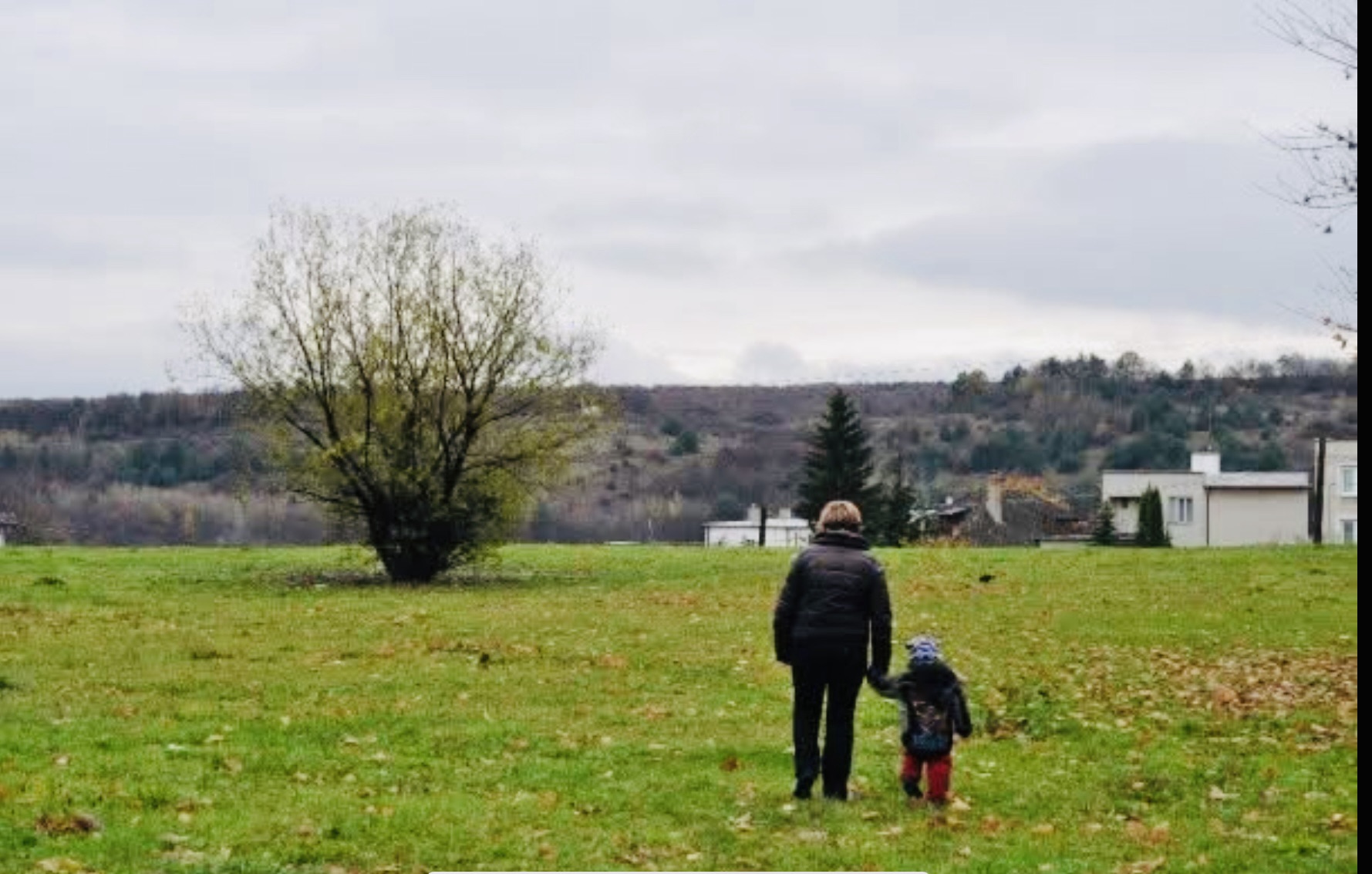
During our stay in Kosice, he enjoyed walking around the village with his granny. During the walks though, he was already building routines on where to walk. He threw tantrums if he doesn’t get his way. He didn’t show interest on playgrounds or even the zoo.


During a meal in one of the restaurants in the town he was restless. He was covering his ears the whole time. The lighting was dim and looks like a tavern.

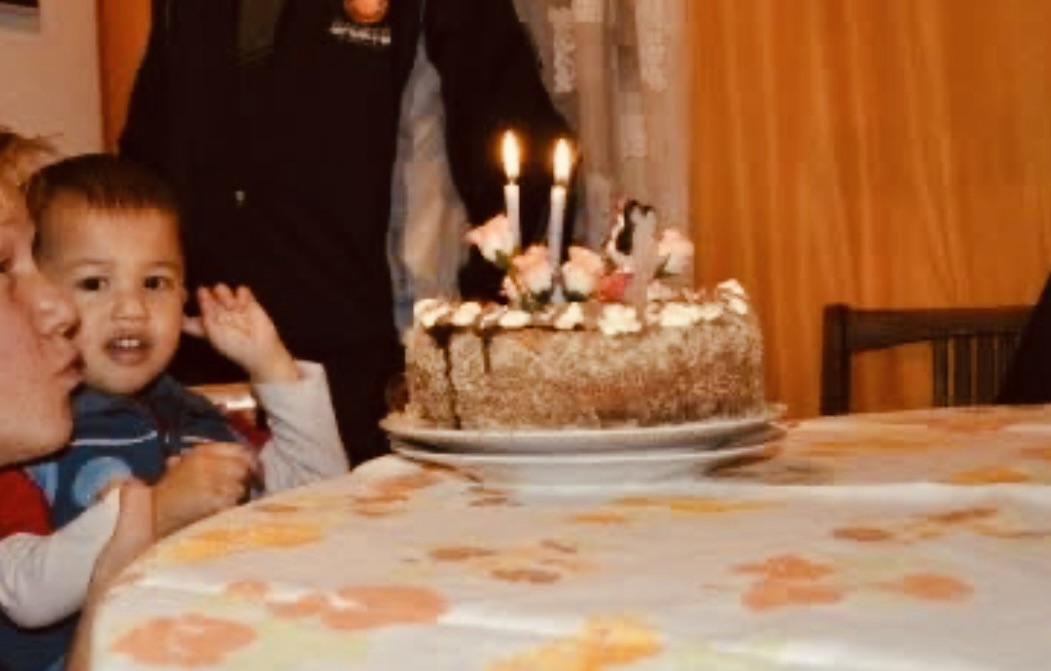
When his granny made him a cake as an early celebration for his 2nd birthday, he was the same. Scared of the candles and was covering his ears. He was the same on his first birthday. He was crying and screaming the whole party. I didn’t know yet about his sensory issues which make parties torture.

  Auschwitz                                             Krakow

We stayed a day before our flight in Poland. We were able to have a visit in Auschwitz. I would say he behaved very well. He never threw a tantrum. He enjoyed walking and was more focused on the pavements. He was even well-behaved during our sight-seeing in the streets of Krakow.

The experience in Krakow airport was different. It was a very busy time at the airport. There was a bigger crowd, long queues and a lot of  wait. He couldn’t stand it and had an almighty meltdown. That was the worst and longest meltdown he ever had.


Sand…how can something beautiful cause you pain…

batangas-100

In 2009, when we went on holiday in the Philippines, my son’s sensitivity to sand puzzled me. He was only one year old then. He was screaming as his feet touched the sandy beach of Laiya, Batangas. We tried to let him sit and cover his legs with sand so he can get used to it..Even before that he hated his hand getting sticky or dirty…This was before he was diagnosed with Autism. Only then during his assessment, we have discovered his sensory issues. It was heartbreaking since my husband and I love the beach. How can something beautiful cause our child pain…

dsc_0323

When he was diagnosed before he turned three, we started early intervention. One of them is his tactile sensitivity. As advised by the occupational therapist, we let him touch textured materials or items. One of them is sand. We bought a sand and water table and encourage him to touch and play with sand. We have also tried ‘moon sand’ which was a less messy on hands. I let him step on sand paper during tactile play.  In summer time, we brought him to the beach a few times to introduce the connection of sand and the beach…

dsc_2588

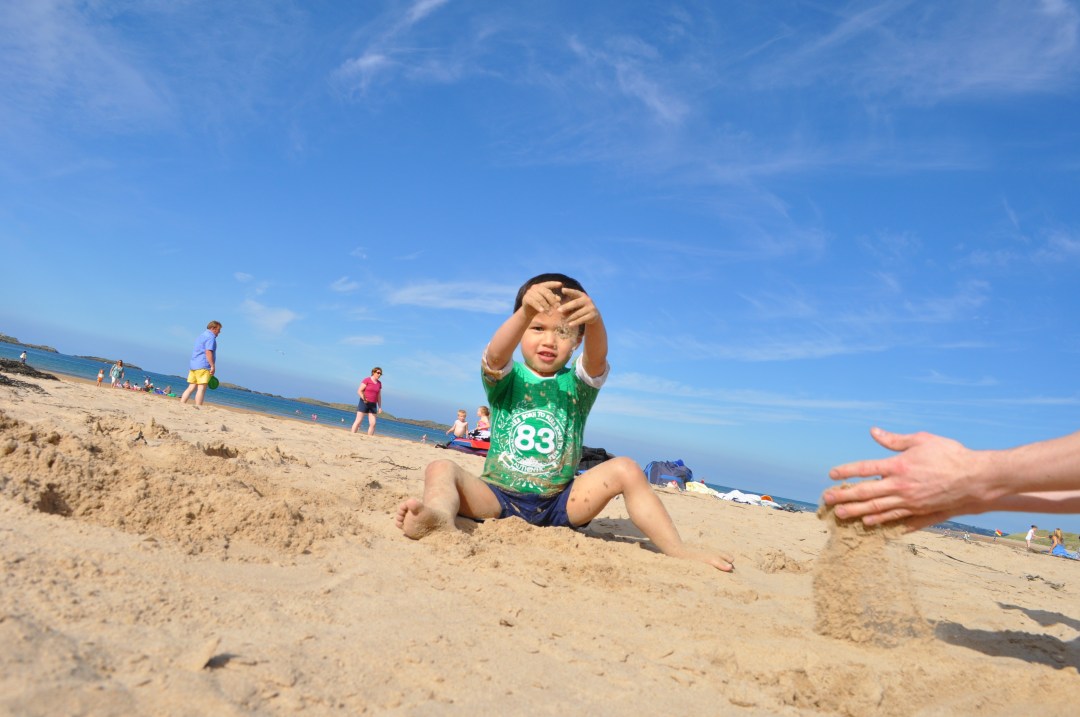
After 3 years when we went back to the Philippines, he was able to enjoy the beach and the sand. Something beautiful that caused him so much pain, now brings him joy.